Showing posts with label equine. Show all posts

Friday, May 11, 2012

O'Brien Winner Doesn't "Knee"d Surgery


While most champion four-year-olds are either occupied in the breeding shed or prepping for the upcoming stakes season, Up The Credit is earning a little extra credit doing double duty this spring.
Following a million-dollar sophomore campaign which included a victory in the $1.5 million North America Cup and divisional honours at the O’Brien Awards, trainer Carl Jamieson and his partners Thomas Kyron, Joanne Morrison, and Brian Paquet decided the son of Western Terror out of the Pacific Rocket mare Cantbuymehappiness would become a sire and continue to race as a four-year-old.
With Jamieson heading south to Florida for winter training, Up The Credit was placed with conditioner Mark Horner while he stands stud at Seelster Farms.
“Mark’s doing me a great deed by training him this winter and breeding him for me because he’s only 15 minutes away from Seelster Farms,” noted Jamieson, who will be returning home at the end of April.
“I picked him up December 29 to be exact,” said Horner from his St. Mary's, Ont. farm last week. “He jogged light until the first of February and then he started training. He’s been training now in 2:15 and that’s at home in the jog cart.”
Horner says Up The Credit gets his training sessions in between his Monday-Wednesday-Friday breeding schedule.
“He’s been a busy boy,” said Horner. “I don’t have the exact numbers as to how many mares he’s bred, but I know he’s been busy. Hopefully it stays that way.”
Near the end of his sophomore year, Up The Credit looked to be facing surgery on a knee that was injured as a freshman and had resulted in some calcification around the area once it healed. However, Jamieson says the issue has cleared up with some TLC and the procedure is no longer needed for him to continue racing.
“He’s 100 per cent,” confirmed Jamieson, who was nominated on the ballot for this year’s Canadian Horse Racing Hall of Fame inductions. “We thought last Fall we might have to do surgery on the knee, but we were using the laser on him all summer and fall and it healed the knee up and everything’s the same as he was born with. He never had surgery and he’s 100 per cent ready to go.”
“He seems to be in good shape and I’m really happy with his conditioning right now,” added Horner. “I think he’s good to go.”
Up The Credit is expected to qualify mid-April in preparation for the Molson Pace eliminations on May 18 at Western Fair Raceway. He has also been nominated to a handful of other open stakes including the Ben Franklin, Des Smith, Canadian Pacing Derby, U.S. Pacing Championship, and Breeders Crown.
“Obviously it’s tough and there’s a lot of nice horses out there,” said Horner of the step up in competition Up The Credit will face. “Anytime a four-year-old goes into the older pacing ranks it's tough so hopefully we’ve picked the right spots and he’s in great shape and he has lots of luck. I hope that he’s ultra competitive and I really can’t see why he wouldn’t be if he brings it up to the next level.”
Meanwhile, Up The Credit’s younger stablemate and fellow O’Brien Award winner Warrawee Needy is on track to follow in his footsteps down the road to North America Cup 29. More on him in the coming weeks as Trot Insider.


Up The Credit uses Theralase's Cold Laser Therapy for its knee issues. For more information please call 1-866-843-5273 or visit www.theralase.com.

Friday, February 17, 2012

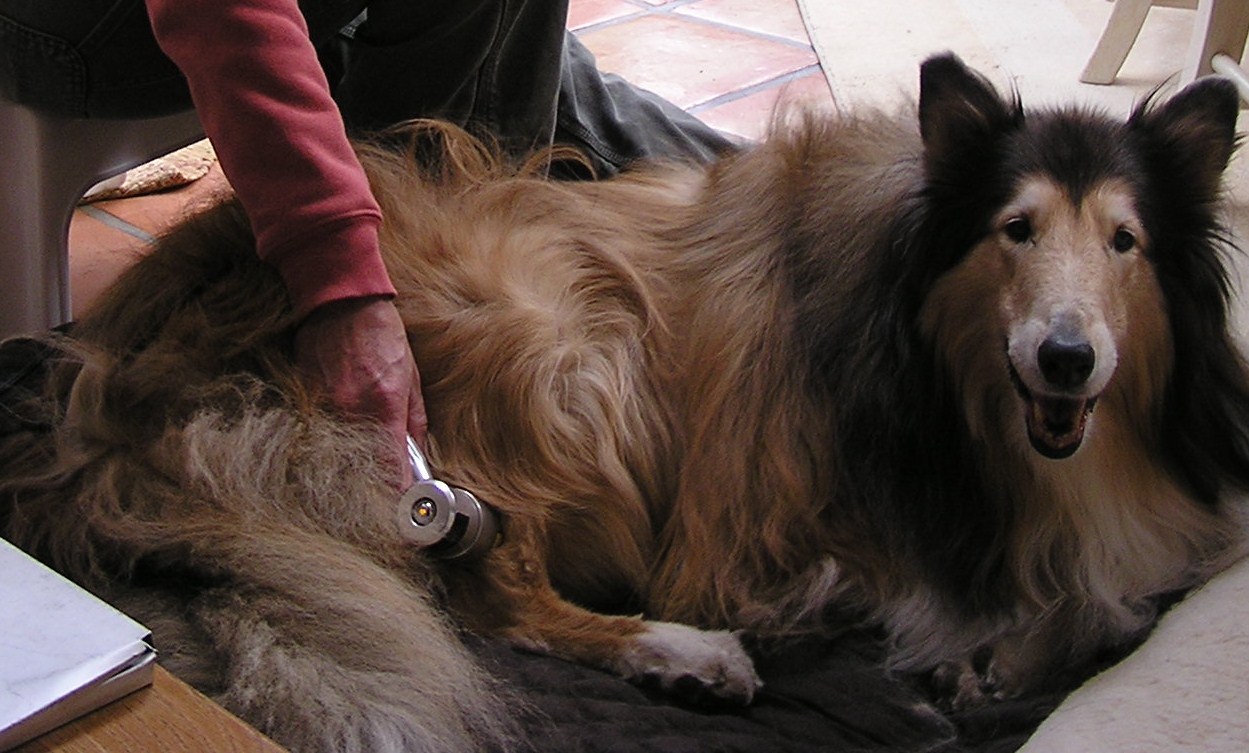
Pain Relief and Healing at the Speed of Light for Companion Animals and Horses

Just what is laser therapy? Many people know this kind of treatment as “Low Level Laser Therapy” or “Cold Laser Therapy”. Most people think of surgical lasers or Star Wars and think the treatments will hurt. Actually, it is a very safe, painless, and effective way of treating injuries, pain and many medical conditions.
Laser Therapy is a method of treatment where laser light is applied to tissues with a low light intensity so that heating is negligible and a therapeutic influence is produced. The effect achieved is produced by the light creating a photobiostimulation in the tissues at a cellular level – modulating cellular function.
The minimal heat produced by the laser light is a negligible contribution to the therapeutic effect. This is quite different from surgical lasers where a strong laser light is used and the subsequent heat produced creates a cutting, evaporating or coagulating effect. The benefits in low level laser therapy are seen in improved healing time, pain relief, reduced swelling, increased circulation and increased range of motion. Numerous studies have been conducted in human medicine lending support to its use as a therapeutic medical device to improve healing time, decrease inflammation and relieve pain.


The Main Biological Effects of Laser Light:

• Pain relief
• Reduced inflammation
• Increased blood flow to injured tissues
• Accelerated tissue repair and cell growth
• Accelerated wound healing
• Reduced formation of scar tissue
• Improved nerve function

Laser therapy is gaining in popularity in human rehabilitation medicine as well as in veterinary medicine. It is particularly attractive for the treatment of athletes–human, canine, and equine– due to the potential of a shortened recovery time and the effectiveness of lasers in treating musculoskeletal disorders. But while laser therapy is very useful for injuries, it is far from limited to sports medicine. It has proven to be effective in decreasing the amount of time needed for wound and fracture healing


Pain Relief and Healing at the Speed of LightConditions treatable with Laser Therapy include:


• Arthritis
• Neck and back pain
• Joint pain
• Muscle strain or injury
• Tendon injuries
• Ligament Sprains
• Hoof pain
• Post-surgical pain and healing
• Fracture healing
• Edema (swelling)
• Wound Healing
• Burns
• Neurologic conditions
• Rehabilitation


How does it work?

The laser light interacts with tissues at the cellular level by increasing metabolic activity. This leads to an increase in the production of ATP (cellular fuel) and thereby a cascade of events leading to increased cellular reproduction, function and health.

On a systemic level, the laser energy increases circulation by inciting vasodilation (increasing the diameter of blood vessels leading to increased blood flow to the tissues). This serves to increase the transportation of specific healing enzymes, oxygen and nutrition to damaged tissues while increasing the removal of cellular debris and toxins. As a result, all cells and thereby all tissues, are repaired faster. In addition, the laser light increases the formation of new capillaries in damaged tissue (angiogenesis) and fibrous tissue; contributing to the speeding up of healing as well as reducing the formation of scar tissue. The laser light also activates lymphatic drainage helping to reduce inflammation.
Damaged nerve cells are particularly slow to heal and this can lead to neurologic deficits such as numbness and impaired function. Laser light can help speed up the cellular regeneration of the nerve axons and help improve recovery time. It also seems to be helpful in slowing down the progression of some degenerative nerve diseases – possibly by increasing the amplitude of action potentials to optimize muscle action.
Perhaps most importantly, laser therapy has an analgesic effect by attacking pain on different levels. The laser light has an effect on nerve cells by blocking pain transmitted by these cells to the brain and decreasing nerve sensitivity. The laser therapy decreases inflammation – this also helps decrease the pain being caused by the edema. At the same time, the laser light stimulates the central nervous system to signal the brain to release pain blocking chemicals such as endorphins, enkephalins, and opioids. In addition to the analgesic effect, these chemicals have a relaxing, sedative effect on the patient. If done correctly, there is little or no sensation during laser therapy.


Pain Relief and Healing at the Speed of Light
Most patients seem to genuinely enjoy their treatments and no patient sedation or restraint is needed.
Laser light can also be used to stimulate acupuncture points. This non-invasive technique is especially useful for animals that do not take to being needled. This can be used for all the same syndromes as acupuncture but is especially effective for muscle trigger points and providing musculoskeletal pain relief.


How is treatment done?

Treatment time varies depending on the size of the area being treated, the size and thickness of the animal being treated, the type of tissue being targeted, and the type of machine being utilized. Typically, treatment time is 3 to 8 minutes.

Initially, treatment for some acute conditions may be performed daily. More chronic conditions should initially be treated 2-3 times a week. This will be tapered down as improvement occurs – usually to once or twice a week.
Some conditions, may display immediate improvement and only require 1-2 total treatments while others may require 6-12 treatments. Treatments are cumulative when done over a short time period and in some cases, it may take 3-4 sessions before a change is notable in the condition. Some chronic conditions may require ongoing treatment or a maintenance program in which treatment occurs periodically as needed.
Treatment programs and plans need to be tailored to the individual animal and that animal’s issue. It is critical to have a correct veterinary diagnosis and treatment plan to avoid inhibiting healing.


Take home message

The use of therapeutic lasers in small and large veterinary practices is becoming more and more popular as veterinarians recognize its use as a painless and effective means of reducing pain and improving healing. The simple means of application and safety in use allow for a tool to treat many types of injuries and medical conditions. This is useful as an adjunct to traditional medicine or when medication may not be ideal. Many animals resist taking medication, their owners are not comfortable in delivering medication, or the animal is fractious and resistant to rehabilitative treatment. In addition, there are many patients for whom analgesic (pain) medication is ineffective or who may not be able to take analgesic medications. Laser Therapy is an easy and effective alternative.

Laser Therapy is a non-invasive and extremely gentle form of treatment with virtually no side-effects. However, the use of a laser as a medical device should be done by veterinary medical practitioners to ensure that an adequate diagnosis has been obtained prior to treatment so that the use of the laser does not inhibit healing and more effective medical treatment is not being overlooked.
Depending on the initial condition, effects from laser therapy may be seen immediately. Some cases even resolve after one or two treatments while other chronic conditions, such as arthritis, continue to be seen on a regular basis to maintain the animal’s comfort.


For further information, please call 1-866-843-5273 or visit www.theralase.com

Thursday, September 22, 2011

Laser Applications for Equine Athletes

Muscle and tendon strains, joint sprains and wounds are common injuries in equine athletes. Equine tissue like human tissue is highly vulnerable to repetitive stress and can be career limiting for the athlete if not treated properly the first time. Equine veterinarians across North America have discovered a medical technology that heals injuries on a cellular level safely and effectively without any discomfort to the animal. This new medical technology is known as the Theralase line of therapeutic medical laser systems.

The Theralase superpulsed laser system can penetrate up to 4 inches into tissue through all the hair and skin of an equine athlete to promote cellular regeneration at the source of the injury. Laser energy helps to repair damaged cells by accelerating several of the body's natural healing mechanisms. Depending on the severity of the injury, the equine athlete can return to competition usually within a few weeks instead of many months of stall rest. This means that your equine athlete can be back to competing in a fraction of the time.

Treatable Conditions

The Theralase superpulsed laser has over 17 clinically proven pre-programmed treatments for equine applications.
Partial List only


Everyone benefits from the Theralase laser system; as your equine athlete gets better, he/she will be able to return to training and eventually racing. The impact of using Theralase on your injured equine athlete is remarkable. By utilizing the Theralase super-pulsed cold laser technology for neuromuscular skeletal conditions, you will notice an immediate improvement in the health of your equine athlete to get him/her back on the track, so that you see your investment running again.

Some medical conditions that we have seen successfully treated in the field through the use of Theralase technology are shown below: 


Friday, July 29, 2011

Equine Cold Laser Therapy Explained

Light Therapy


Carl Jamieson, owner of the Recent North American Cup winner Up The Credit was an early adopter of Theralase technologies. "I use the Theralase laser on every one of my horses, including Up The Credit,” says Jamieson. “It's great for knees, hocks, tendons and especially sesmoiditis.  I've never seen complete healing so clean and fast.”

Blair Burgess, trainer of Blue Porche winner of the 2011 Goodtimes Trot also uses Theralase technologies to address inflammation in his equine athletes. “I definitely noticed decreased inflammation in a shorter amount of time,” said Burgess. “All my other treatment protocols had been followed as per usual and we had never seen healing at that speed before.”

Light therapy has been shown in over 40 years of independent research worldwide to deliver powerful therapeutic benefits to living tissues and organisms. Both visible red and infrared light have been shown to effect at least 24 different positive changes at a cellular level. Visible red light, at a wavelength of 660 nanometers (nm – 1 nanometer is equal to one billionth of a meter), penetrates tissue to a depth of about 8-10 mm. It is very beneficial in treating problems close to the surface such as wounds, cuts, scars, trigger and acupuncture points and is particularly effective in treating infections. Infrared light (904nm) penetrates to a depth of about 30-40 mm which makes it more effective for bones, joints, deep muscle, etc.
The Light Spectrum
The diverse tissue and cell types in the body all have their own unique light absorption characteristics; that is, they will only absorb light at specific wavelengths and not at others. For example, skin layers, because of their high blood and water content, absorb red light very readily, while calcium and phosphorus absorb light of a different wavelength. Although both red and infrared wavelengths penetrate to different depths and affect tissues differently, their therapeutic effects are similar.
Depth of penetration is defined as the depth at which 60% of the light is absorbed by the tissue, while 40% of the light will continue to be absorbed in a manner that is less fully understood. Treating points with Light can have a dramatic effect on remote and internal areas of the body through the stimulation of nerves, acupuncture and trigger points that perform a function not unlike transmission cables.
At this time, research has shown no side effects from this form of therapy. Occasionally, one may experience an increase in pain or discomfort for a short period of time after treating chronic conditions. This occurs as the body reestablishes new equilibrium points following treatment. It is a phenomenon that may occur as part of the normal process of recovery.
Light therapy has also been given the name " phototherapy". A study done by the Mayo Clinic in 1989 suggests that the results of light therapy are a direct effect of light itself, generated at specific wavelengths, and are not necessarily a function of the characteristics of coherency and polarization associated with lasers. In a study entitled Low-Energy Laser Therapy: Controversies and New Research Findings, Jeffrey R. Basford, M.D. of the Mayo Clinic’s Department of Physical Medicine and Rehabilitation, suggests that the coherent aspect of laser may not be the source of its therapeutic effect. He states "firstly, the stimulating effects (from therapeutic light) are reported following irradiation with non-laser sources and secondly, tissue scattering, as well as fiber optic delivery systems used in many experiments rapidly degrade coherency . . . Thus any effects produced by low-energy lasers may be due to the effects of light in general and not to the unique properties of lasers. This view is not difficult to accept when it is remembered that wave-length dependent photobiochemical reactions occur throughout nature and are involved in such things as vision, photosynthesis, tanning and Vitamin D metabolism. In this view, laser therapy is really a form of light therapy, and lasers are important in that they are convenient sources of intense light at wavelengths that stimulate specific physiological functions (Lasers in Surgery and Medicine9:1-5, Mayo Clinic, Rochester, Minnesota, 1989).
LED’s and LASERS are no more than convenient devices for producing electromagnetic radiation at specific wavelengths, and in addition to the one already cited, several other studies establish that it is the light itself at specific wavelengths that is therapeutic in nature and not the machine which produced it. For example, Kendric C. Smith at the Department of Radiation Oncology, Stanford University School of Medicine, concludes in an important article entitled The Photobiological Effect of Low Level Laser Radiation Therapy (Laser Therapy, Vol. 3, No. 1, Jan - Mar 1991) that "1) Lasers are just convenient machines that produce radiation. 2) It is the radiation that produces the photobiological and/or photophysical effects and therapeutic gains, not the machines. 3) Radiation must be absorbed to produce a chemical or physical change, which results in a biological response."
The equation between the machine and the biological response is a common error often made by those who wish to promote the commercial interests of low-energy laser technology. Light radiation must be absorbed to produce a biological response. All biological systems have a unique absorption spectrum which determines what wavelengths of radiation will be absorbed to produce a given therapeutic effect. The visible red and infrared portions of the spectrum have been shown to have highly absorbent and unique therapeutic effects in living tissues.
The following are definitions of commonly used terms used in connection with the use of therapeutic light devices:
1) Visible Light: light that is within the visible spectrum, 400nm(violet) to 700nm(red)
2) Infrared Light: light in the invisible spectrum below red, from 700nm to 2,000nm
3) Frequency: number of cycles per second measured in Hertz
4) Coherency: wavelengths of light traveling in phase with one another
5) Monochromaticity: light that is of one color, or one wavelength
6) Collimation: light focused in a beam, maintaining a constant diameter regardless of its distance from the object or surface at which it is directed
7) Nanometer (nm): a unit of measure of wavelength of light (one billionth of a meter)
8) Nanosecond: one billionth of a second
9) Joule (J): unit used to measure the energy delivered
10) Watts (w) and milliwatts (mw, 1/ 1000th of a watt): units used to measure the power capability
11) Peak power output: the maximum output of power, measured in milliwatts and watts
12) Average power: amount of power actually delivered in a given period of time
13) Duty cycle: the amount of time the light is actually on during a given period of time
Lasers are of two principal types, "hot" and "cold", and they are distinguished by the amount of peak power they deliver. "Hot" lasers deliver power up to thousands of watts. They are used in surgery because they can make an incision that is very clean with little or no bleeding and because the laser cauterizes the incision as it cuts. They are also used in surgery that requires the removal of unhealthy tissue without damaging the healthy tissue that surrounds it. . "Cold" lasers produce a lower average power of 100 milliwatts or less. This is the type of laser that is used for therapeutic purposes and it is typically, although not always, pulsed. The light is actually on for only a fraction of a second because it is pulsed (turned on and off) at so many pulses per second. Pulsation results in an average power output that is very low compared to the maximum or peak output. Hence, most therapeutic lasers produce a high peak but low average power output. Therapeutic laser light is generally either visible (red, in most cases) or invisible (infrared). However, most therapeutic lasers operate at 904 nm which is an infrared light.
Light Emitting Diodes (LEDs) are another form of light therapy that is a relatively recent development of the laser industry. LEDs are similar to lasers inasmuch as they have the same healing effects but differ in the way that the light energy is delivered. A significant difference between lasers and LEDs is the power output. The peak power output of LEDs is measured in milliwatts, while that of lasers is measured in watts. However, this difference when considered alone is misleading, since the most critical factor that determines the amount of energy delivered is the duty cycle of the device.
LED devices usually have a 50% duty cycle. That is, the LED pulse is "on" for 0.5 seconds and "off" for 0.5 seconds versus the 2 ten-millionths of a second burst from laser at 1 cycle per second (1 herz). Moreover, LED is "on" 50% of the time and "off" 50% of the time regardless of what frequency setting (pulses per second) is used.
In the majority of lasers on the market, the energy output varies with the frequency setting: the lower the frequency, the lower the output. In the BioScan system on the contrary, the output is constant regardless of frequency. Even in the case of lasers that claim a peak output of 10 watts, because of the very short duty cycle, the average output at the highest frequencies is of the order of about 10 milliwatts. At the lower frequencies, however, the average output plummets into the range of microwatts (1 microwatt = 1000th of 1 milliwatt).
LEDs do not deliver enough power to damage the tissue, but they do deliver enough energy to stimulate a response from the body to heal itself. With a low peak power output but high duty cycle, the LEDs provide a much gentler delivery of the same healing wavelengths of light as does the laser but at a substantially greater energy output. For this reason, LEDs do not have the same risk of accidental eye damage that lasers do.
Moreover, LEDs are neither coherent nor collimated and they generate a broader band of wavelengths than do the single-wavelength laser. Non-collimation and the wide-angle diffusion of the LED confers upon it a greater ease of application, since light emissions are thereby able to penetrate a broader surface area. Moreover, the multiplicity of wavelengths in the LED, contrary to the single-wavelength laser, may enable it to affect a broader range of tissue types and produce a wider range of photochemical reactions in the tissue. /stronga
If LED disperses over a greater surface area, this results in a faster treatment time for a given area than laser. The primary reason that BioScan chose the LEDs over lasers is that LEDs are safer, more cost effective, provide a gentle but effective delivery of light and a greater energy output per unit of surface area in a given time duration. They are offered in combinations of visible red light at 660nm and infrared light at from 830nm to 930nm, with 880nm as their average.
Light therapy can:
  1. Increase vascularity (circulation) by increasing the formation of new capillaries, which are additional blood vessels that replace damaged ones. New capillaries speed up the healing process by carrying more oxygen as well as more nutrients needed for healing and they can also carry more waste products away.
  2. Stimulate the production of collagen. Collagen is the most common protein found in the body. Collagen is the essential protein used to repair damaged tissue and to replace old tissue. It is the substance that holds cells together and has a high degree of elasticity. By increasing collagen production less scar tissue is formed at the damaged site.
  3. Stimulate the release of adenosine triphosphate (ATP). ATP is the major carrier of energy to all cells. Increases in ATP allow cells to accept nutrients faster and get rid of waste products faster by increasing the energy level in the cell. All food turns into ATP before it is utilized by the cells. ATP provides the chemical energy that drives the chemical reaction of the cell.
  4. Increase lymphatic system activity. Edema, which is the swelling or natural splinting process of the body, has two basic components. The first is a liquid part which can be evacuated by the blood system and the second is comprised of the proteins which have to be evacuated by the lymphatic system. Research has shown that the lymph vessel diameter and the flow of the lymph system can be doubled with the use of light therapy. The venous diameter and the arterial diameters can also be increased. This means that both parts of edema (liquid and protein) can be evacuated at a much faster rate to relieve swelling
  5. Increase RNA and DNA synthesis. This helps damaged cells to be replaced more promptly.
  6. Reduce the excitability of nervous tissue. The photons of light energy enter the body as negative ions. This calls upon the body to send positive ions like calcium among others to go to the area being treated. These ions assist in firing the nerves thereby relieving pain.
  7. Stimulate fibroblastic activity which aids in the repair process. Fibroblasts are present in connective tissue and are capable of forming collagen fibers.
  8. Increase phagocytosis, which is the process of scavenging for and ingesting dead or degenerated cells by phagocyte cells for the purpose of clean up. This is an important part of the infection fighting process. Destruction of the infection and clean up must occur before the healing process can take place./stronga
  9. Induce a thermal like effect in the tissue. The light raises the temperature of the cells although there is no heat produced from the diodes themselves.
  10. Stimulate tissue granulation and connective tissue projections, which are part of the healing process of wounds, ulcers or inflamed tissue.
  11. Stimulate acetylcholine release. Acetylcholine causes cardiac inhibition, vasodilation, gastrointestinal peristalsis and other parasympathetic effects.

References 

The Photobiological Basis of Low Level Laser Radiation TherapyThe Photobiological Basis of Low Level Laser Radiation Therapy, Kendric C. Smith; Stanford University School of Medicine; Laser Therapy, Vol. 3, No. 1, Jan - Mar 1991 
Low-Energy Laser Therapy: Controversies Research FindingsJeffrey R. Basford MD; Mayo ClinicLasers in Surgery and Medicine 9, pp. 1-5 (1989)
New Biological Phenomena Associated with Laser Radiation , M.I. Belkin U. Schwartz; Tel-Aviv University; HealthPhysics, Vol. 56, No. 5, May 1989; pp. 687-690
Macrophage Responsiveness to Light Therapy, S Young PhD, P Bolton BSc, U Dyson PhD, W Harvey PhD, C Diamantopoulos BSc; London: Lasers in Surgery and Medicine, 9; pp. 497-505 (1989) 
Photobiology of Low-Power Laser Effects, Tina Karu PhD; Laser Technology Centre of Russia; Health Physics, Vol. 56, No. 5. May 89, pp. 691-704
A Review of Low Level Laser Therapy, S Kitchen MSCMCSP C Partridge PhD; Centre for Physiotherapy Research, King's College London Physiotherapy, Vol. 77, No. 3, March 1991Systemic Effects of Low-Power Laser Irradiation on the Peripherial Central Nervous System, Cutaneous Wounds a
Burns, S Rochkind MD, M Rousso MD, M Nissan PhD, M Villarreal MD, L Barr-Nea PhD. DG Rees PhD, Lasers in Surgery and Medicine, 9; pp. 174-182 (1989)
Use of Laser Light to Treat Certain Lesions in Standardbreds, L.S McKibbin DVM, D Paraschak BSc., MA; Mod Veterinary Practice, March 1984, Sec. 3, p. 13
Low Level Laser Therapy: Current Clinical Practice In Northern Ireland, GD Baxter BSc, AJ Bet, MA,,JM AtienPhD, J Ravey PhD; Blamed Research Centre University Ulster Physiotherapy, Vol. 77, No. 3, March 1991 
The Effects of Low Energy Laser on Soft Tissue in Veterinary Medicine, LS McKibbin R Downie; The Acupuncture Institute, Ontario Canada; J. Wiley Sons 
A Study of the Effects or Lasering of Chronic Bowed Tendons, Wheatley, LS McKibbin DVM, and DM Paraschak Bsc MALasers in Surg Medicine, Vol. pp. 55-59 (1983) Scc 3
Lasers and Wound Healing, Albert J. Nemeth, MD; Laser and Dermatology Center, Clearwater FLDermatologic Clinics, Vol.. 11 #4, 1993 
Low Level Laser Therapy: A Practical Introduction, T. Ohshiro RG CaiderheadWiley and Sons
Low Reactive-Level Laser Therapy: A Practical Application, T. Ohshiro;Book:Wiley and Sons 
Laser Biostimulation of Healing Wounds: Specific Effects and Mechanisms of Action,Chukuka S Enwemeka, PhD; Assistant Professor of Physical Therapy - U. of Texas, Health Science Center, San Antonio, TX; The Journal of Orthopaedic Sports Physical Therapy, Vol. 9. No.10, 1988
Effect of Helium-Neon and Infrared Laser Irradiation on Wound Healing in Rabbits, B Braverman, PhD; R McCarthy. Pharmd, A Lyankovich, MD; D Forde, BS, M Overfield, BS and M Bapna, PhD; Rush- Presbyterian-St. Luke's Medical Center; University of Illinois, Lasers in Surgery and Medicine 9:50-58 (1989)
Bone Fracture Consolidates Faster With Low-Power Laser, MA Trelles, MD and E Mayayo, MD, Barcelona, Spain; Lasers in Surgery Med. 7:36-45 (1987) 
Wound Management with Whirlpool and Infrared Cold Laser Treatment,P Gogia; B Hurt and T Zim; AMI-Park Plaza Hospital, Houston TX, Physical Therapy, Vol. 68, No. 8, August 1988
Effects of Low-Level Energy Lasers on the Healing of Full-Thickness Skin Defects, J Surinchak. MA; M Alago, BS,, R Bellamy, MD; B Stuck, MS and M Belkin, MD; Lettennan Army Institute of Research. Presido of San Fransico, CALasers in Surgery Medicine, 2:267-274 (1983)
Biostimulation of Wound Healing by Lasers: Experimental Approaches in Animal Models and in Fibroblast Cultures, RP Abergel, MD; R Lyons. MD; J Castel, MS, R Dwyer. MD and i Uitlo. MD, PhD; Harbor UCLA Medical Center. CA: J Dennatol. Surgery Oncol., 13:2 Feb. 1987
Effects of Low Energy Laser on Wound Healing In a Porcine Model, J Hunter, MD; L Leonard, MD; R Wilsom MD; G Snider, MD and J DLxon, MD; Department of Surgery, University of Utah Medical Center, Salt Lake City UTLasers in Surgery Med. 3:285-290, 84
Effect of Laser Rays on Wound Healing, E Mester, MD; T Spiry, MD; B Szende. MD and J Tola; Semmelweis Medical Univ. Budapes, The American Journal of Surgery. Vol 122, Oct 1971
Low Level Laser Therapy in the United Kingdom, Kevin C Moore, MD; The Royal Oldham Hospital, Oldhant, UK
Effects of Skin-Contact Monochromatic Infrared Irradiation on TendonitisCapsulitis and Myofascial Pain, T.L Thomassoi DDS, 19th Annual Scientific Meeting, American Academy of Neurological Orthopaedic Surgeons, Aug. 27-30, 1995 Facial Pain/TMJ Centre, Denver, CO


For further information please call 1-866-843-5273 or visit www.theralase.com

Tuesday, July 26, 2011

Accelerate Wound Healing by Using Cold Laser Therapy (for Humans, Equines and Pets)

Wound Healing

The natural healing of a wound can be divided into three phases: the inflammatory phase, the proliferatory phase and the remodelling phase.
Inflammation
This step may have unpleasant effects because it causes pain, but the inflammatory phase is necessary for tissue repair. First, in the area of the wound, there appear platelets and white blood cells. Then, there is a peak in the number of macrophages. These cells will clean the area and remove all of the dead tissue. In addition, they also release products (“factors”) which will stimulate the second step of wound healing, namely proliferation.

Proliferation
This is the formation of “granulation tissue”. There is an activation of fibroblasts and angiogenesis. Angiogenesis is the production of new capillaries (small blood vessels). Fibroblasts are connective tissue cells which form the basis of new tissue. A special kind of fibroblast is the myofibroblast. This cell can contract itself like a smooth muscle cell. In this manner, the surface of the wound will diminish in size (wound contraction).

Remodelling
This is the final step of wound contraction.

What happens when a laser is placed on an open wound?
The laser accelerates the different phases, such that only the pleasant and necessary components of the inflammation are preserved.  A shorter inflammatory reaction causes less pain. Laser stimulates the fibroblasts during the proliferatory phase. Laser speeds up angiogenesis and causes temporary vasodilation (i.e.: the diameter of the blood vessels increase in size).
wound healing process chart

In this fashion, nutrients can be supplied more easily. (i.e.: Greater blood flow equals greater oxygen and fuel molecules to the area and hence a greater production of Adenosine Tri-phosphate (ATP), the basic energy source of a cell). In angiogenesis, the final result is a greater number of blood vessels, through the growth of new tissue. Laser also accelerates the absorption of a haematoma through the stimulation of prostacyclin.


To receive research information please call 1-866-843-5273 or visit www.theralase.com

Monday, July 25, 2011

Beneficial Equine Applications and Results Using Laser Therapy

Since the early '80s, light therapy has been used in the horse world for treating equine concerns and helping owners and trainers keep their horses in top shape. The first light therapy that was widely used on horses was laser therapy, also called low level laser therapy (LLLT) or cold laser therapy.
After many years of researching the therapeutic effect of LLLT (Low Level Light Therapy), be it laser or LED, the following is a list of treatable conditions for your animals:
·         Treatment of traumatic, inflammatory and overuse injuries.
·         Pain relief and healing of arthritic lesions.
·         Reduce abscess and treat persistent non-healing wounds such as cold sores and ulcers.
·         Prevent or minimize keloid (raised pinkish scar tissue at the site of an injury; results from excessive
tissue repair) formations and adhesions.
·         Reduce edema and reduce pain from surgical and other treatments.
·         Encourage formation of collagen and cartilage in damaged joints.
·         Encourage repair of tendons and ligaments.
·         Reduce stress and stimulate healing.
Now, why should YOU use it?
Many studies have reported great results with LLLT therapy for the following equine and canine concerns:
General: Arthritis pain, bursitis, bruising, burns, edema, deep muscle problems, hematomas, inflammation, tight or sore muscles and infections.
Hoof Problems: Abscesses, bone spurs, inflammation, navicular, ringbone and laminitis.
Leg and Body: Ankle problems, bone chips, hock problems, inflammation, ligament soreness, tendon problems, sore backs, splints, strains, stifle issues, sprains, swelling, shoulder pain, hip pain, sore backs, sore necks, salivary gland problems, wounds, cuts, scrapes and for stimulating trigger points and acupuncture points.
But how does it work and why?
We found many impressive studies that included the following:
·         The LLLT at specific wavelengths are reported to increase circulation by increasing the formation of new capillaries. New capillaries speed up the healing process by carrying more oxygen as well as more nutrients needed for healing and they can also carry more waste products away.
·         Collagen is the most common protein found in the body and the essential protein used to repair damaged tissue and to replace old tissue. Studies cite that LLLT and LEDs stimulate the production of collagen. It has been reported that by increasing collagen production, less scar tissue is formed at the damaged site.
·         LLLT therapy is reported to stimulate the release of adenosine triphosphate (ATP). ATP is the major carrier of energy to all cells and provides the chemical energy that drives the chemical reaction of the cell. Increases in ATP allow cells to use nutrients faster and get rid of waste products faster by increasing the energy level in the cell.
·         Increases lymphatic system activity. Edema has two basic components, liquid and protein. Research has shown that the lymph vessel diameter and the flow of the lymph system can be doubled with the use of light therapy. This means that both parts of edema can be eliminated at a much faster rate to relieve swelling.
·         Reduces the excitability of nervous tissue. The light energy stimulates the release of endorphins which are the body's own long term pain fighting chemicals.
·         May improve peripheral neuropathies by stimulating nitric oxide production.
·         Increases RNA and DNA synthesis, which helps damaged cells to be replaced more quickly.
·         Increases the process of scavenging for and ingesting dead or degenerated cells by phagocyte cells for the purpose of clean up. This is an important part of the infection fighting process. Destruction of the infection and clean-up must occur before the healing process can take place.
·         Stimulates fibroblastic activity that aids in the repair process. Fibroblasts are present in connective tissue and are capable of forming collagen fibres.
·         Stimulates tissue granulation and connective tissue projections, part of the healing process.
·         Stimulates trigger and acupuncture points.
·         Helps relax muscles.
We have found no reports of adverse side effects regarding Theralase technology. It is repeatedly reported that when the cell is "reenergized" it accepts no more energy, so you cannot cause harm and it is reported to have no effect on healthy tissue. The body will not absorb what it cannot use.
Caution is urged for those taking photosensitive drugs. Please do not use on pregnant mares unless you are being advised by a veterinarian who is familiar with light therapy, we have found no studies citing use on pregnant mares… so before we recommend… more research is needed.
For more information please call 1-866-843-5273 or visit www.theralase.com

Thursday, July 14, 2011

The Equine Vet and Accelerated Healing Through The Use of Cold Laser Therapy

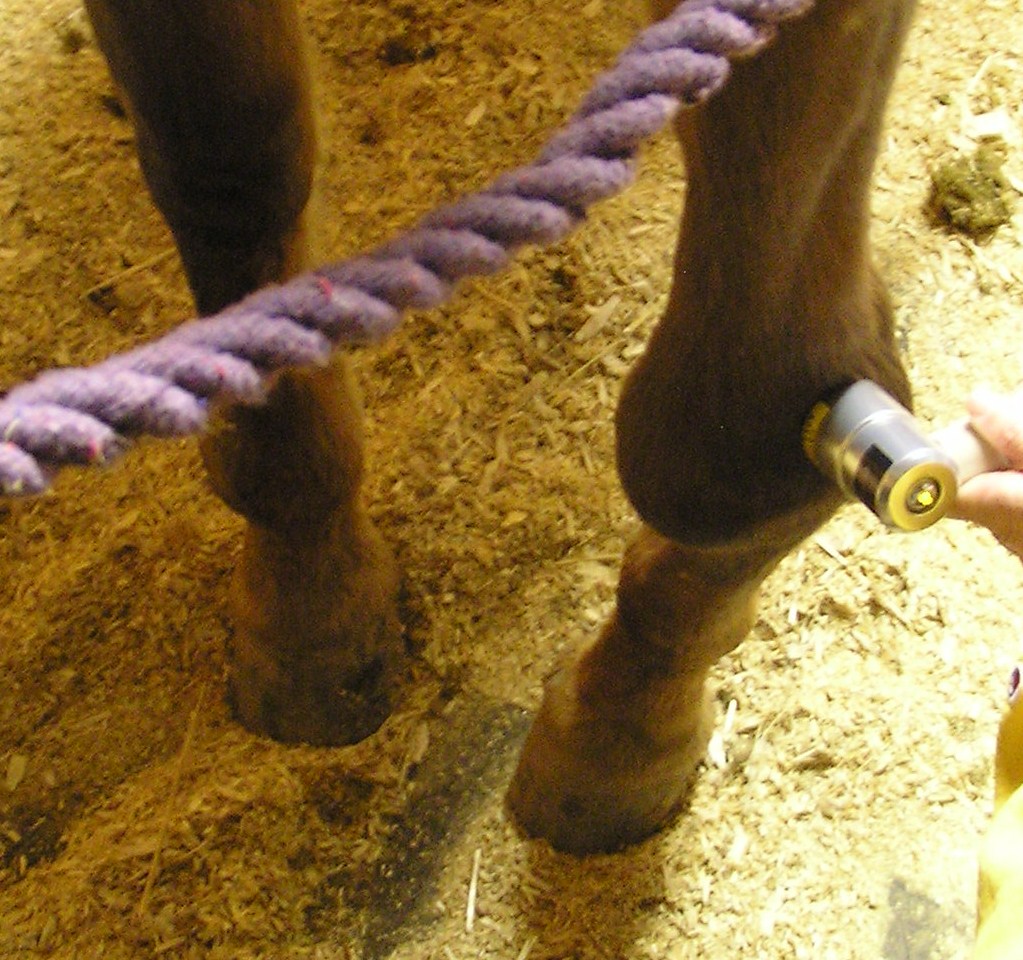
In the observation of cold laser therapy, it doesn’t seem, in fact, like much is going on. The laser probe is simply held in contact with the skin; chances are, your horse doesn’t notice much either! The probe is attached to a portable base and emits a beam of light (red to near infrared) that’s directed at the problem area — such as a bowed tendon, inflamed joint or post-operative wound. The treatment can be as short as a few minutes or as long as a half an hour, and is repeated anywhere from once a day to once a week, depending on the nature of the condition.
This process is often referred to as low-level or cold laser therapy, because unlike other lasers, these ones don’t produce any heat. Rather than having a thermal effect, the light energy, once absorbed by the tissues, induces chemical reactions that can in turn influence cellular behaviour. Used to treat a variety of musculoskeletal injuries and ailments in the horse, laser therapy is credited by some with accelerating the natural healing processes of the body and relieving pain.
Exactly how therapeutic lasers work is something that is still not completely understood. What scientists do know is that laser irradiation does cause changes at a molecular and cellular level. “The laboratory evidence on cell cultures and animals leaves no doubt that low-level laser can effect cellular communication and physiological processes for the benefit of the patient,” says Michael Hamblin, Principal Investigator at the Wellman Center for Photomedicine at Massachusetts General Hospital and Associate Professor at Harvard Medical School. “It’s a fundamental tenet of biology that cells try to protect themselves against stresses if they can — and they have pretty good machinery to both detect stress and protect themselves. It’s thought that a lot of beneficial effects of light come via this route.”
John Kopas, of Milton, Ontario, is one trainer that decided to give cold laser a try after a few treatments helped a filly of his recover from some swelling around her ankle. “I heard about it through a client of mine,” he explains. “I went over to his farm one Saturday and was given a demonstration by a representative of one of the cold laser manufacturers. The rep visited my barn later that morning and we tried it on a filly I was planning to race that coming Monday. She had a little swelling and inflammation in her left front ankle and was hanging on the left line. We treated her Saturday, Sunday, and Monday morning. When we raced her Monday night, she was perfect.”
Kopas decided to lease a unit from the manufacturer and has used it a few times since to treat horses with inflammation around their ankles and hocks. “The great thing about the unit I have is that the protocols are all determined by the machine,” he explains. “There’s a card you refer to, and whatever treatment you are going to use, you just punch in the code for it and the prescribed time comes up. It’s actually very easy to use.”
So far, Kopas says he has seen some positive results. “I’ve found that it works very well with soft tissue injuries,” he says. “As far as problems inside the joint, I’m still up in the air, and it may be that it just takes a little longer for that to kick in. I’ll continue with it for a while and incorporate it into the other things we do — like cold hosing and doing them up with leg paint and whatnot.”
While scientists are still hashing out the correct combination of dosage parameters to elicit optimum benefits, no adverse effects of cold laser therapy have been reported. In saying that, the laser should never be pointed directly at the eyes, however, or used on the belly of a pregnant mare. Recent studies have also indicated that the use of cortico-steroids may inhibit beneficial effects of laser therapy.
Mimi Porter, an experienced equine therapist who uses laser therapy on a regular basis in her Lexington, Kentucky, rehabilitation business, also cautions against mistaking symptom relief for a cure. “Laser therapy can reduce pain and tissue swelling, but time is still needed for complete tissue repair and maturation to take place.”
She also stresses the importance of a complete veterinary evaluation and diagnosis before beginning laser therapy, if you choose to do so. “You need to understand the nature and extent of the injury so it can be treated effectively – otherwise you could just be wasting your time and money. Any non-veterinarian therapist offering the service should always work by referral from the vet.”
Finally, both sufficient knowledge and experience are key in getting the maximum bang for your buck out of an alternative treatment like laser therapy. “There are a lot of good tools out there, but it’s important to know what your tool produces and how long it takes to give a dose to a given type of tissue,” says Porter. “If you are in the market for a laser device, make sure the manufacturer is interested in giving you plenty of support in terms of education and training.”
For more information call 1-866-843-5273 or visit www.theralase.com. 

Thursday, July 7, 2011

TRAINING THE EQUINE CHAMPION

Carl Jamieson has been a household name in Ontario for over three decades now, and has conditioned (and often drove) his pacers and trotters to victory in virtually all the top stake races in harness racing.
But Up The Credit’s powerful effort in the North America Cup was a perfect Father’s Day gift to three generations of Jamieson paternity.
“The North America Cup is the race that everyone wants to win,” remarked an ecstatic Jamieson after the race. “It’s a very special race, and even more special that Jody (Jamieson) was driving him. My dad (Frank) turned 85 yesterday. He’s here, and my mom (79-year-old Pauline) would’ve been here, but is in the hospital after surgery.”
Up The Credit (p, 2, 1:51.4; 3, 1:49, $923,440) took his two-year-old record in just his second start in 2010, unleashing a 26.2 final quarter to defeat Big Jim in the Dream Maker leg at Mohawk. However, his juvenile campaign was stopped after five starts due to injury.
“Up The Credit had an issue in his right knee,” explained Jamieson. “We knew they had some sesmoiditis, and we were dealing with that. But then he started getting on one line and wouldn’t train properly. I knew he had a ton of speed, but we found a chip that was too large to be taken out, so we stopped with him. We used magnets and a cold laser machine to help heal the knee.”
Cold laser machine?
“It’s called a Theralase TLC — a cold laser machine that I bought for $15,000. I use it all the time on all my horses. Basically, it promotes healing by stimulating cell reproduction in an affected area. It can be used on humans as well. My mother fell last autumn and scraped her arm so badly that we had to cut the skin off. The Theralase has settings like ‘003 for sutures’… ‘004 for wounds’ and so on. I set it at ‘004’ and treated mom’s arm for three minutes each day, and after three days it was pretty much healed.
“The Theralase has both a ‘People Chart’ and a ’Horse Chart.’ If you are treating a human’s knee, you’d set it for ‘038’ and for a horse’s knee at ‘059’.
So, we used all the traditional treatments in terms of rubbing and applications and added the use of magnets and the Theralase. This year, he’s been sound and the knee is good, though I expect there’d be some calcification as a result of the chip.”
This scribe has always been fascinated by technological innovations in the treatment of our light harness equine athletes. ‘Cold laser treatment’ has been used for many years among human athletes, including professional baseball, hockey and football players. Increasingly, cold laser systems have found their way into physiotherapy, dentistry and medicine. Jamieson is one of a number of Ontario trainers that use laser therapy to assist their equine athletes to recover from the stress of racing.
Between the North America Cup elimination and final, Up The Credit was found to be sick.
“We took his blood on Tuesday, and his white count was 10.53,” Jamieson said. “The normal range for the white count is 5.5-9.5, and his ‘differentials’ were high as well, indicating he was probably fighting a bug of some kind.
Because it was so close to race time, we couldn’t treat him with a number of preferred medications. I treated him with sulpha pills, which are antibiotics with no cut-off time.
“Jody told me that Up The Credit had been carrying on the left line, and on Wednesday we found a little bit of a curb, not very big, but it was hot and pinching him. We treated that enough to get him through the race. Since we’ve got three weeks until the Meadowlands Pace, I’ll start treating the curb tomorrow (Monday).” With the Theralase?

Friday, June 24, 2011

Two Equine Athletes Use Theralase Cold Laser Therapy…..and Win!

Up The Credit won the 28th edition of the $1.5-million Pepsi North America Cup in the world’s richest pacing event for three-year-old pacing colts and geldings last weekend.
As well, on Saturday, Blue Porsche vanquished a group of serious peers in the $347,000 Goodtimes Stakes to remain perfect in 2011 after three starts. He’s won eight of 12 outings and earned more than $600,000.
Carl Jamieson said "I use the Theralase laser on every one of my horses, including Up The Credit.  It's great for knees, hocks, tendons and especially sesmoiditis.  I use it on surgeries and wounds.  I've never seen complete healing so clean and fast. It's tremendous!"
Theralase Technologies Inc. designs, develops, manufactures and markets patented, superpulsed laser technology utilized in biostimulation and biodestruction applications. The technology is safe and effective in the treatment of chronic pain, neural muscular-skeletal conditions and wound care, in humans as well as animals. When combined with its patented, light-sensitive Photo Dynamic Compounds, Theralase laser technology is able to specifically target and destroy cancers, bacteria and viruses.
For more information please go to www.theralase.com or call 1-866-843-5273

Tuesday, May 10, 2011

See What Horse Owners are Saying About Theralase Laser Therapy

Theralase designs, develops and manufactures patented, super-pulsed laser technology utilized in biostimulation and bio-destruction applications. The technology is safe and effective in the treatment of chronic pain, neural muscular skeletal conditions, and wound care for human, equine, and companion animals.

Muscle, tendon and wounds are common in equine athletes. These tissues are highly vulnerable to repetitive stress and can be career ending if not treated properly the first time. Veterinarians across North America have discovered a modern treatment tool that heals injuries on a cellular level using the Theralase line of therapeutic laser products.
The Theralase superpulsed laser system can deeply penetrate through the hair and skin of an equine athlete promoting cellular regeneration at the source of the injury. Laser light energy helps to repair damaged cells by accelerating the body’s natural healing mechanisms. Depending on the severity of the injury, your patient can return to competition within a few weeks versus a few months of stall rest.
http://www.theralase.com/www/documents/web_equine_booklet_2011.pdf